
Omaha's Hefty Renew Orange Bag Guide for Homeowners
What Goes In, What Doesn't, and How to Actually Get It Recycled at Home
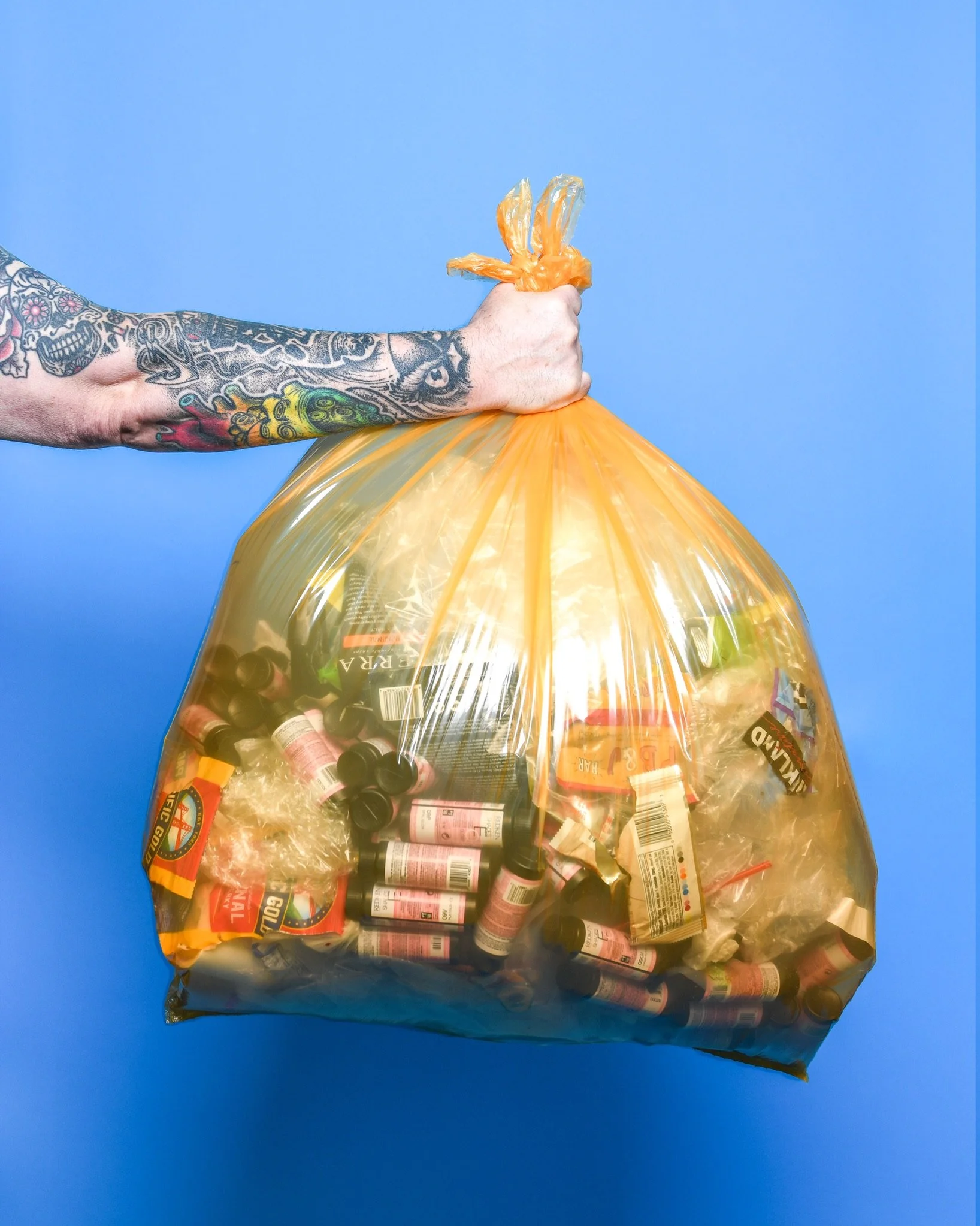
Plastic bags don't get recycled in Omaha. Not if you put it directly into your recycling bin, anyway.
They're too light and flexible to sort mechanically at the recycling facility. They tangle in conveyor belts, jam sorting equipment, and — when enough of them pile up — shut the whole line down. After all that, they get landfilled. The very thing you were trying to avoid.
But here's where Omaha is different from most cities: we have a way to actually recycle soft plastics. Chip bags, snack wrappers, foam cups, plastic utensils, bubble wrap — all of it. It works. It's local. And it ends with your chip bag becoming something you could buy at a hardware store.
There's a catch, though. It only works if you're using the right hauler. And that's the thing most people miss.
This guide covers everything a homeowner needs to know — what goes in the orange bag, what doesn't, and how to make sure your soft plastics are actually getting recycled and not just sorted into a different landfill pile.
First: The Hauler Caveat (Read This Before Anything Else)
The orange bag program — officially called Hefty Renew (and formerly called Hefty Energybag) — routes your soft plastics to a specialized recycling facility. In Omaha, that facility is First Star Recycling. But not every hauler in the metro delivers recyclables to First Star.
The program works as described in this guide if your home uses one of these services:
Gretna Sanitation residential service
City of Omaha curbside recycling (FCC service)
Or if you have a recycling service at your place of work, you do it with us
If your hauler isn't on that list, your orange bags may not be reaching First Star — which means they may not be getting processed the same way. Worth a call to your hauler to confirm where your recyclables go before you get set up.
What Is the Hefty Renew Orange Bag?
The Hefty Renew orange bag is a specially designed recycling bag for soft plastics and other hard-to-recycle materials that can't go in a standard recycling cart. Think of it as a secondary recycling stream — it runs alongside your regular recycling, not instead of it.
The bag itself is the sorting mechanism. When it arrives at the recycling facility, workers and equipment can identify the bright orange bag and route it separately from everything else. That's how it ends up at First Star instead of getting mixed into the general recycling stream.
Important: The orange Hefty Renew bag is the only bag allowed in Omaha's curbside recycling cart or drop-off containers. No other plastic bags. Just the orange one.
What Goes IN the Orange Bag — Omaha's Specific List
Quick note before the list:
Omaha's accepted items may differ from what you'll find on Hefty's website or printed on the bag itself. That's because First Star processes material locally in a way that other cities' facilities don't. We'll call out the Omaha-specific exceptions as we go.

Click to download this, print, and put above your bin.
✓ Accepted items in Omaha:
Chip bags and snack bags — the everyday stuff piling up in your pantry
Candy and granola bar wrappers
Dry mix liners — cereal bags, cake mix bags, cookie bags, cracker bags
Salad bags, cheese bags, fresh and frozen veggie bags
Foam egg cartons
Foam cups and foam takeout containers
Plastic utensils — forks, spoons, knives, straws
Toothpaste tubes
Plastic grocery bags and plastic film — if no film drop-off program is available to you
Bubble wrap and packing peanuts
The Omaha exception: foil-lined bags are accepted here.
Most sources — including Hefty's own website — say foil-lined items can't go in the orange bag. In Omaha, they can. Because First Star processes the material locally through shredding and compression (rather than the method used in other cities), foil-lined plastics are welcome here. Potato chip bags, metallic snack wrappers, silver-lined packaging — all fine.
This is not the same as aluminum foil, which is a metal and should be landfilled.
Rules that apply to everything in the bag:
Empty, clean, and dry — residue is fine, but no liquid or food remaining
No foil — meaning aluminum foil, not foil-lined plastic (see above)
Tie the bag tightly when full
What Does NOT Go In the Orange Bag
This is where most people contaminate the program. And contamination matters — it can affect whether the whole bag gets processed or not.
Leave these out of the orange bag:
Plastics #1, #2, and #5 — bottles, jugs, tubs. These go directly in your recycling cart as normal
Paper, cardboard, cans, glass — all regular recycling
Aluminum foil — landfill
Wet or dirty items — rinse and dry first, or landfill them
Rigid foam marked #6 — things like foam coolers or protective packaging. These go to Plastilite Corporation at 4930 Battlefield Drive in Omaha, free drop-off 24/7
Batteries, electronics, hazardous materials — these need specific disposal — never in the recycling stream
Still not sure where something goes?
The Omaha Recycling Guide at omaharecyclingguide.org is the most complete searchable database for Omaha-specific disposal. If it's not in this guide, check there.
The Plastic Numbers — A Quick Reference
You've seen the recycling symbol with a number in the middle. Here's the thing: that number doesn't mean the item is recyclable. It just identifies the type of plastic resin. Whether it's actually recyclable depends entirely on what your local facility can process.
For Omaha, here's the shortcut:
#1, #2, #5 → directly in recycling cart
#3, #4, #6, #7 → orange Hefty Renew bag if soft and flexible; landfill if rigid
Want the full breakdown of what each plastic type actually is and where it ends up? We wrote a whole guide on it.
What Actually Happens to Your Orange Bag

This is the part worth knowing — because there's a myth still floating around Omaha that's worth killing off.
The old story (and why it's outdated):
An older version of this program — called the EnergyBag — sent material out of state to a cement kiln in Missouri, where it was burned as fuel to power industrial processes. That raised legitimate concerns. Burning plastic produces pollution. And "burned for energy" isn't exactly what most people picture when they hear recycling.
Some people in Omaha still think this is what happens. It's not. The program evolved — and so did the outcome.
What happens now:
Your orange bag goes to First Star Recycling in Omaha. At First Star, the bags are opened and the material is shredded and compressed on-site. Nothing leaves the state. Nothing gets burned. The material becomes raw input for a product.
What it becomes:
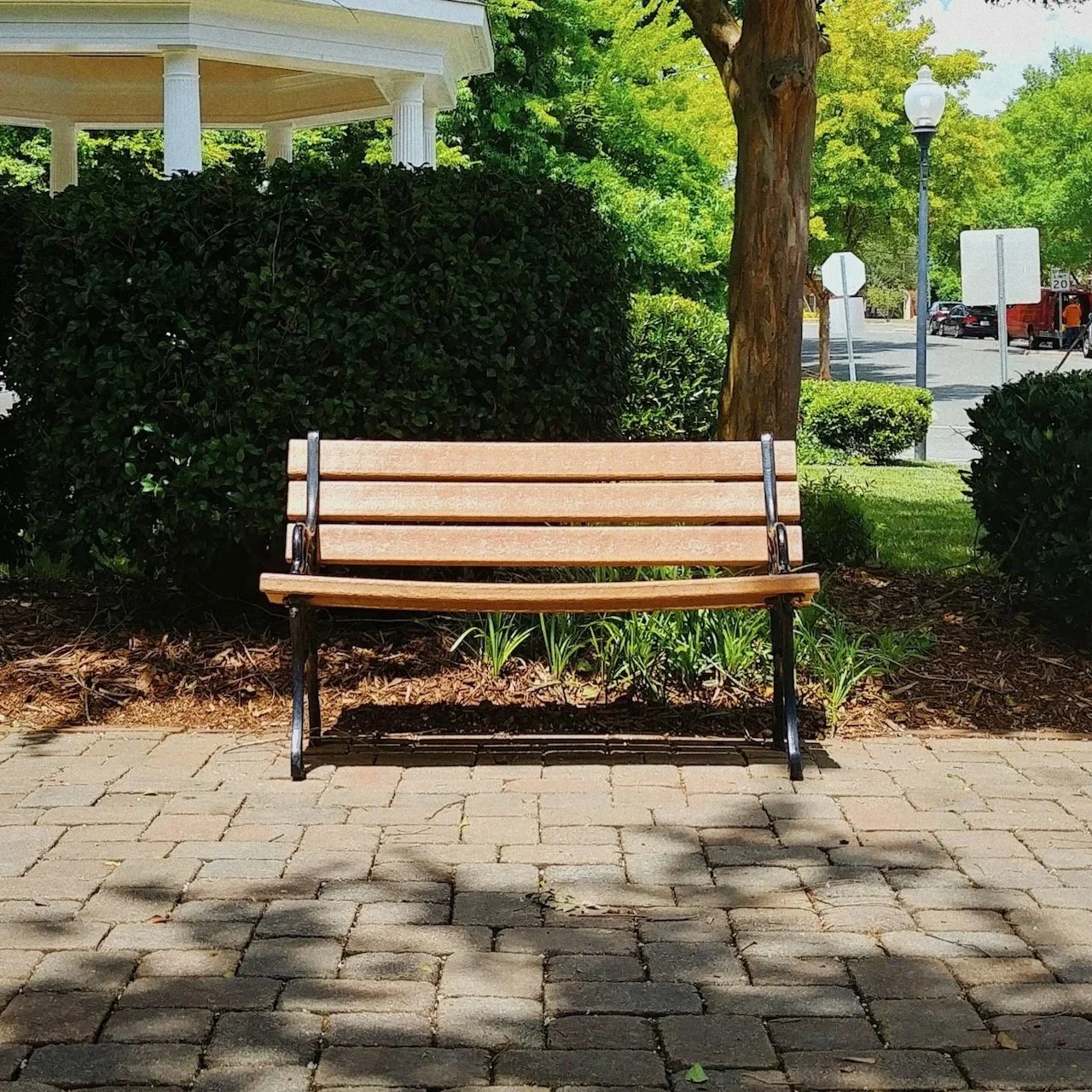
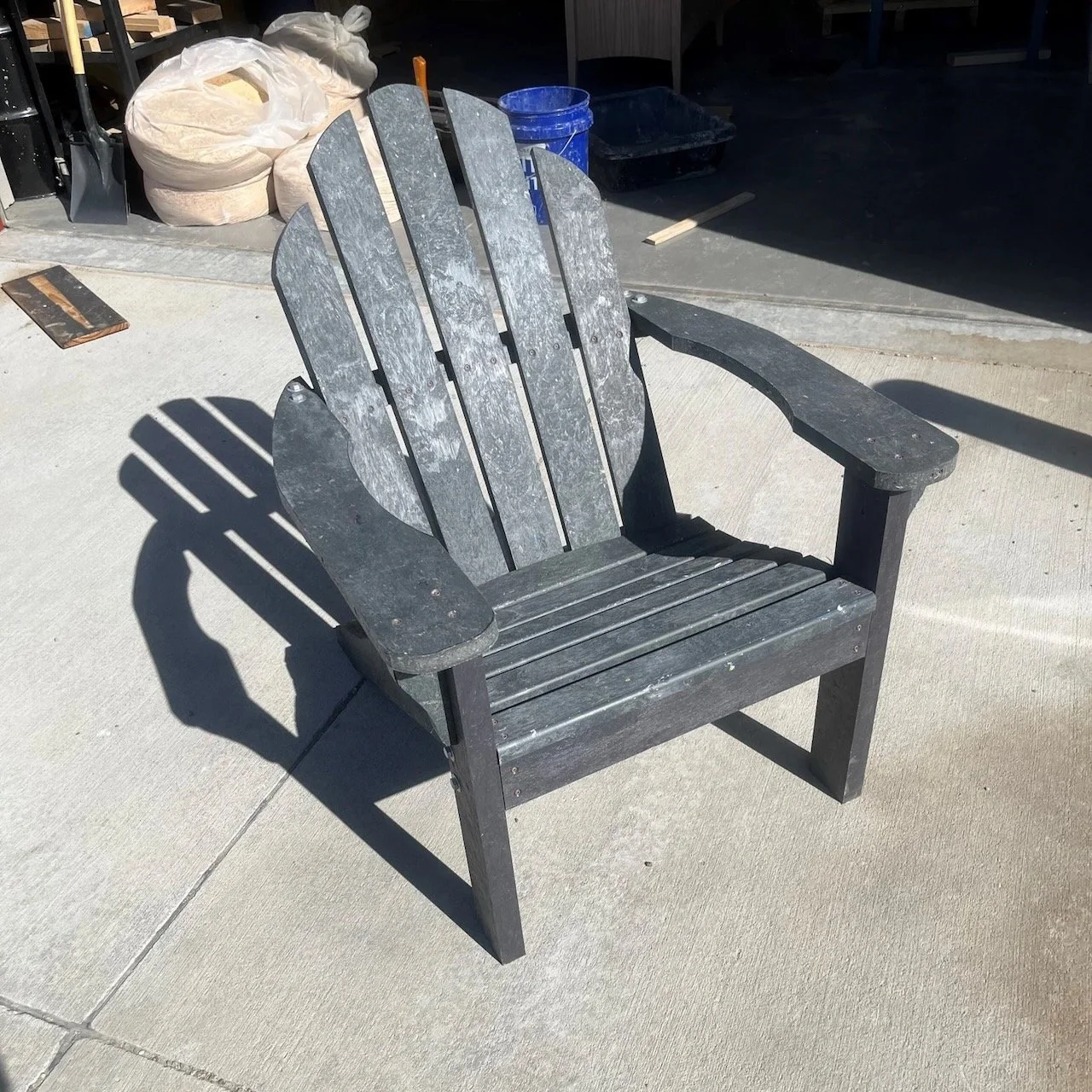
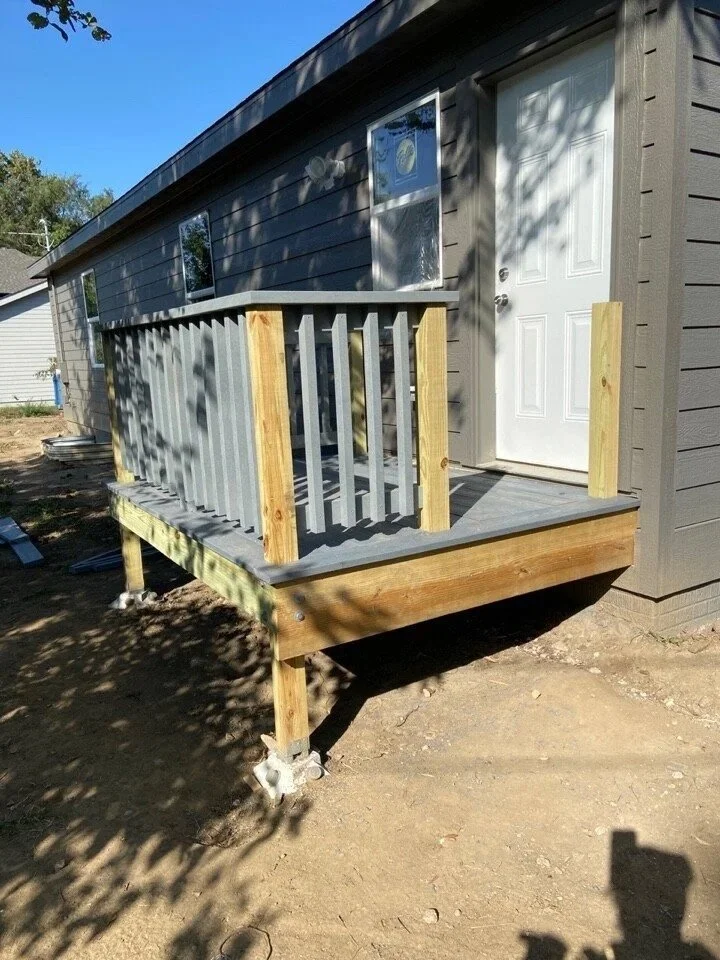
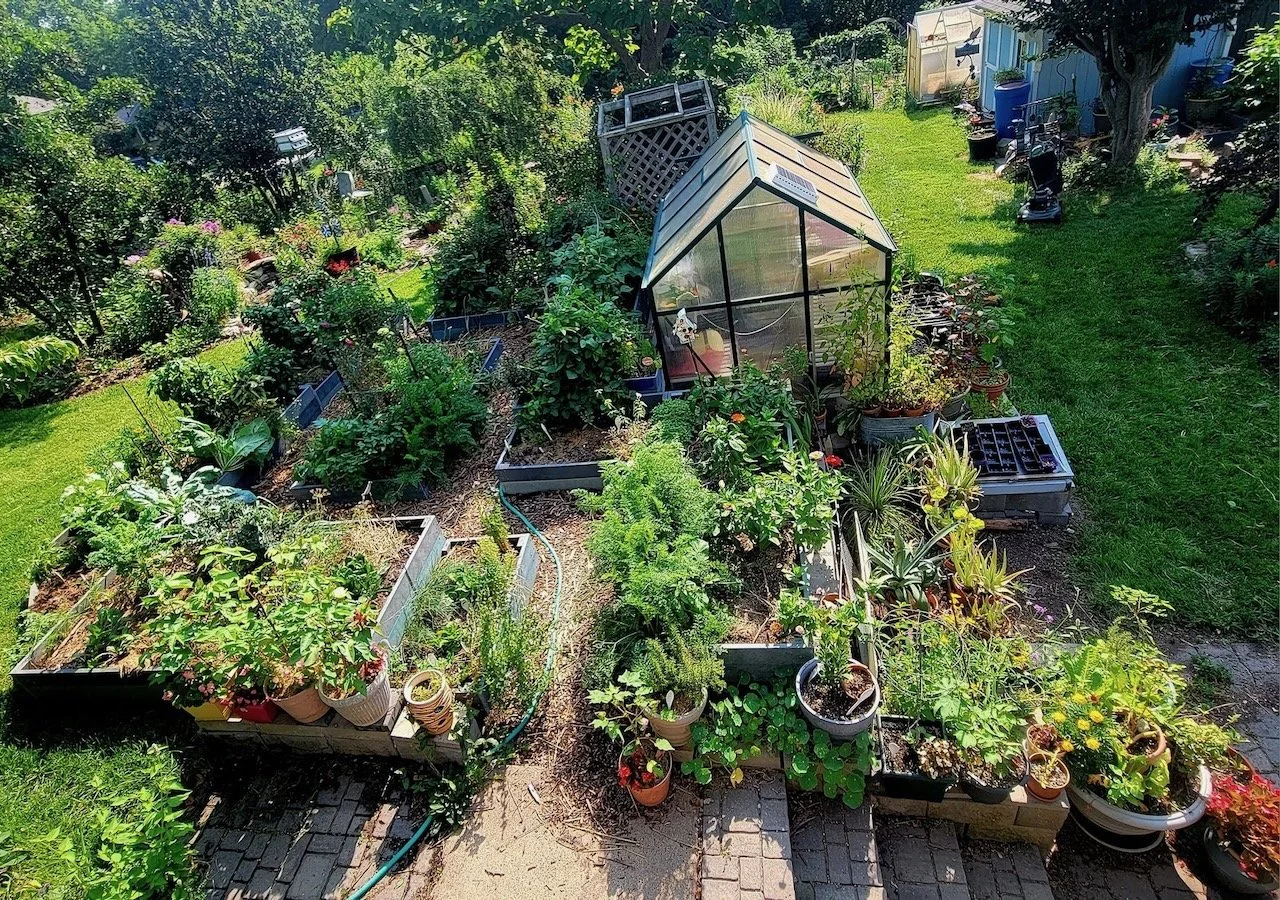
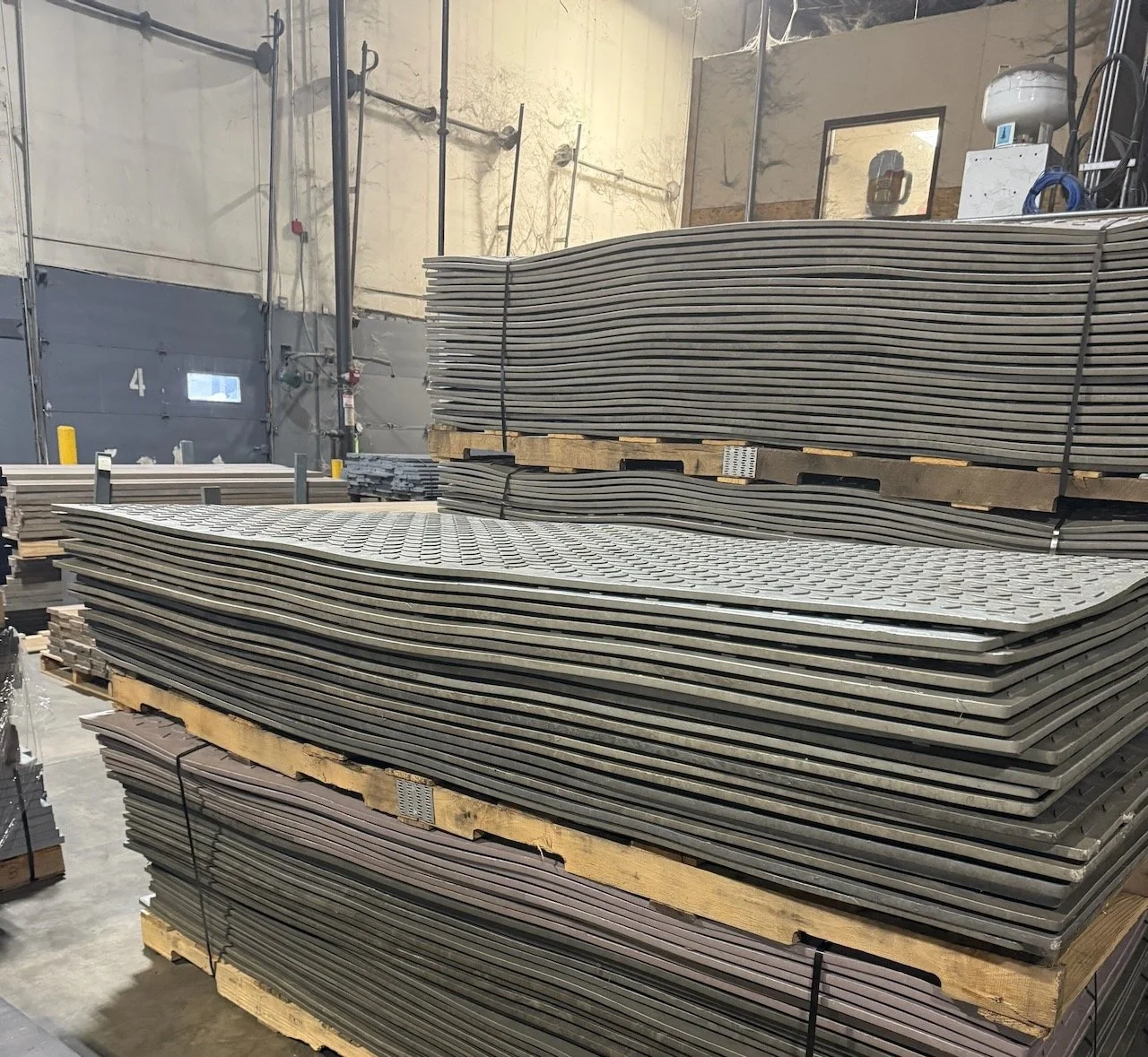
First Star runs a division called Solutions Plastic Lumber. They take that compressed plastic material and manufacture it into durable building products — right here in Omaha. We're talking:
Nailer boards for synthetic turf installation
Flatbed trailer decking
Raised garden beds and landscaping materials
Ground protection mats
Construction sheeting
These products are moisture-resistant, pest-resistant, and decay-resistant. They don't need painting, staining, or sealing. And they're sold locally and regionally — meaning your chip bag wrapper could genuinely end up in someone's backyard garden in Omaha.
That's what true recycling looks like. Material in, useful product out. Locally.
How to Get Started
Simple setup. Takes about ten minutes.
Check your hauler first — confirm you're on Gretna Sanitation or the City of Omaha's FCC service. If not, call your hauler and ask where your recyclables go.
Buy bags. First Star keeps an up-to-date list of retailers who sell the 8-gallon bags. Check it here. Alternatively, grab a free starter kit at HeftyRenew.com to try before you commit to a full box.
Set up a small collection bin. Near your trash, in your pantry, or under the kitchen sink. Anywhere you generate snack packaging. The easier it is to reach, the more it gets used.
Fill with accepted items — empty, clean, dry. When in doubt, leave it out.
Tie tightly when full. Then place in your recycling curbside cart, or drop off at any City of Omaha full-service recycling drop-off site.
Keep recycling everything else the same way you always have. This doesn't replace your regular recycling — it runs alongside it.
Tip: We have a free printable poster you can hang near your bin — a quick visual reference for what goes in and what doesn't.
Frequently Asked Questions
Do I need to be a Hillside customer to participate?
Not necessarily. The program works through any hauler that routes to First Star Recycling — currently that includes Gretna Sanitation and the City of Omaha's FCC curbside service. If you're not sure about your hauler, call them and ask where your recyclables are delivered. If they go to Nebraskaland, First Star has reported that the material does not reach them. We're not sure where it goes.
Can I use a different orange bag?
In Omaha, the program is associated with the Hefty Renew brand. Part of the cost of the bags goes to cover the cost of the overall program. Hefty Renew bags are specifically marketed for this purpose and are the safest choice. Stick with them.
Do items need to be perfectly clean?
No. Residue is fine. The standard is empty, clean, and dry — meaning no remaining liquid or food, but you don't need to scrub each item. If something is heavily soiled and can't be reasonably cleaned, landfill it.
I've heard these bags just get burned. Is that true?
That was true of an older version of the program — the EnergyBag — which sent material to a cement kiln in Missouri for energy recovery. That program has evolved. In Omaha today, First Star Recycling processes the material on-site through shredding and compression. The output is plastic lumber made here in Omaha. Nothing is burned.
Hefty's website says foil-lined items aren't accepted. What gives?
Hefty's website covers the program broadly across many cities — most of which use processing methods that can't handle foil-lined plastics. Omaha is different because First Star processes the material locally in a way that does accept it. Potato chip bags, metallic wrappers, silver-lined packaging — all fine here. The exception is aluminum foil itself, which is a metal and goes to the landfill.
Can my apartment building participate?
Yes. If the building is serviced by a hauler that routes to First Star, residents can use orange bags in the shared recycling containers. Property managers looking to run it building-wide should reach out to Hillside — we can help set up the collection system and provide signage.
What if I don't have curbside recycling?
You can still participate. City of Omaha full-service drop-off sites accept orange Hefty Renew bags. The orange bag is the only bag allowed in these containers.
Does this replace my regular recycling?
No. The orange bag program runs alongside your regular recycling — not instead of it. Plastics #1, #2, and #5, plus paper, cardboard, cans, all continue to go in your regular recycling cart as normal. The orange bag is specifically for the hard-to-recycle stuff those programs can't handle.
What do the bags actually become?
At First Star's Solutions Plastic Lumber division in Omaha, the compressed material is manufactured into plastic lumber products — trailer bed decking, turf nailer boards, raised garden beds, ground protection mats, and landscaping materials. Durable, maintenance-free products sold locally and regionally.
Is there a cost?
Buying the bags is the only cost. 8-gallon bags run around $7–8 for a box of 20 at most retailers. There's no program fee, no subscription, no extra charge on your hauling bill. You can also request a free starter kit at HeftyRenew.com to try the program before committing to a full box.
The Bigger Picture - Reducing Plastics Altogether
The orange bag is a bridge, not the destination.
It's a genuinely good solution for the soft plastics that already exist in your life — the chip bags, the snack wrappers, the foam cup from this morning. Using it is better than the landfill. Meaningfully better.
But the real win is reducing how much of this material enters your life in the first place. And that doesn't require a lifestyle overhaul. It's small swaps, repeated enough times that they become default.
The swaps that actually stick:
Reusable bags over plastic bags — and not just at the grocery store. Keep one in your car for Target runs, hardware store trips, anywhere they'd hand you a bag you'll throw away in four minutes.
A real cup over a foam cup. If you're buying coffee three times a week, that's 150 foam cups a year from one person. A $12 tumbler fixes that permanently.
Buying in bulk over individually wrapped. The 24-pack of single-serve chip bags is convenient, sure. But one big bag and a reusable container does the same job with a fraction of the packaging.
Beeswax wraps or silicone lids over plastic cling wrap. Sounds niche until you realize how much cling wrap you go through in a month. It adds up quietly.
Bar soap and shampoo bars over plastic bottles. This one's gaining traction fast — and the products have gotten legitimately good.
Here's the honest part, though: you can't swap out of everything. Some packaging is unavoidable. Your cheese comes in a bag. Your frozen veggies come in a bag. Your kids' snacks come in wrappers and that's just Tuesday. The orange bag exists for those moments — the plastic that enters your home no matter what you do.
The goal isn't perfection. It's reducing the volume so that when you do tie up an orange bag, it takes you three weeks to fill instead of one.
And in Omaha, at least, when you use it — it actually goes somewhere.
About Hillside Solutions
Hillside Solutions is Omaha's eco-friendly waste, recycling, and compost hauler. We work with businesses and property managers across the metro to build smarter waste programs — and occasionally write long guides about orange bags
Want to Go Further?
If you've gotten this far, you're the kind of person who'd appreciate Compost Club. It's Hillside's subscription composting service. Food scraps, meat, dairy, bones, and yard waste. The stuff that just sits in your trash because there's nowhere else for it. We have an affordable drop-off plan, or a super convenient curbside service.
Join the Compost Club → Start composting today!