
How to Recycle Soft Plastics at Your Omaha Business
The Hefty Renew Orange Bag Guide for Businesses and Property Managers
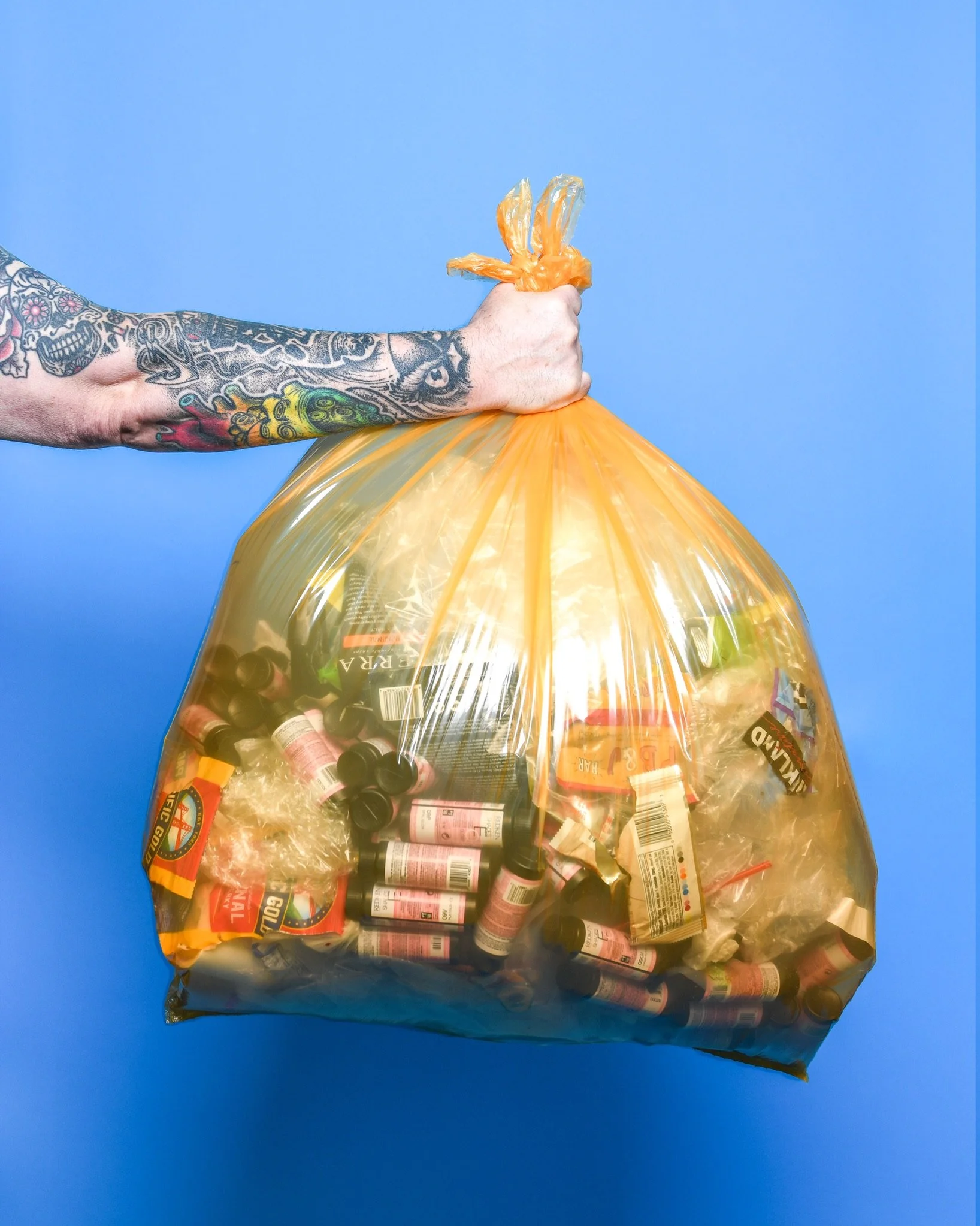
Your business is probably paying to landfill material that could be diverted — for the cost of a bag.
Chip bags from the break room. Foam cups from the coffee station. Bubble wrap from incoming shipments. Plastic utensils from lunch. Snack wrappers from the vending machine. All of it goes into the trash, gets hauled to the landfill, and you pay by the ton for the privilege.
But in Omaha, there's a program that diverts all of that material into actual recycling — locally, not shipped overseas, not burned. It's called Hefty Renew, it uses bright orange bags as a sorting mechanism, and it works.
There's a catch, though. It only works if your hauler delivers recyclables to the right facility. And that's the part most businesses miss entirely.
This guide covers everything you need to set it up at your business or property — what goes in, what doesn't, how to run it at scale, and how to make sure the material actually gets recycled instead of sorted into a different landfill pile.
The Hauler Caveat — Read This Before Anything Else
The orange bag program routes soft plastics to First Star Recycling in Omaha. First Star is the only facility in the metro that processes this material. But not every hauler delivers recyclables to First Star.
The program works as described in this guide if your business uses one of these services:
Hillside Solutions container recycling or single-stream recycling service
Gretna Sanitation
City of Omaha curbside recycling (FCC service)
Important distinction for Hillside customers: This applies if you're on our container recycling or single-stream recycling service. If you only have our fiber service (cardboard/paper recycling), the orange bags won't be routed through the right stream. Not sure which service you're on? Contact us and we'll check.
If your hauler isn't on the list above, your orange bags may not be reaching First Star — which means the material may not be getting processed the way this guide describes. Worth a call to your hauler to confirm where your recyclables go before you invest time in the setup.
If you're a Hillside container recycling or single-stream customer, you're already set. Your recyclables go to First Star. Just add the orange bags to your existing bin and you're done. No new contracts, no separate pickup, no additional logistics.
Which Businesses Generate the Most Eligible Material
Not every business produces the same waste stream. Here's where the orange bag has the biggest impact:
Restaurants and cafes — Foam takeout containers, condiment packets, snack packaging, plastic utensils, straw wrappers. If you're running a kitchen, you're generating this material constantly.
Offices — Break room snack wrappers, foam cups, plastic cutlery, bubble wrap from incoming shipments, packaging from supplies. The volume is steady and it adds up fast across a full team.
Retail — Poly bags, packing materials, product packaging, shrink wrap, bubble wrap. Receiving and stocking alone generates a surprising amount of eligible material.
Property managers and apartment complexes — High volume from shared recycling stations, consistent stream from residents. This is where the program scales fastest — one setup, dozens or hundreds of units contributing.
Schools and institutions — Lunch packaging, foam trays, snack bags, individually wrapped items. Cafeteria waste is a goldmine for this program.
If your business generates any of the material on the accepted list below, the orange bag program is worth setting up. The volume threshold is lower than you'd think.

Click to download this, print, and put above your bin.
What Goes IN the Orange Bag — Omaha's Specific List
Quick note: Omaha's accepted items may differ from what you'll find on Hefty's website or printed on the bag itself. That's because First Star processes material locally in a way that other cities' facilities don't.
✓ Accepted items in Omaha:
Chip bags and snack bags — break room staple
Candy and granola bar wrappers
Dry mix liners — cereal bags, cake mix bags, cookie bags, cracker bags
Salad bags, cheese bags, fresh and frozen veggie bags
Foam egg cartons
Foam cups and foam takeout containers — huge volume for restaurants and offices
Plastic utensils — forks, spoons, knives, straws
Toothpaste tubes
Plastic grocery bags and plastic film
Bubble wrap and packing peanuts — major volume for retail and offices receiving shipments
Foil-lined bags — potato chip bags, metallic snack wrappers, silver-lined packaging
The Omaha exception on foil-lined bags: Most sources — including Hefty's own website — say foil-lined items can't go in the orange bag. In Omaha, they can. Because First Star processes the material locally through shredding and compression, foil-lined plastics are welcome here.
This is not the same as aluminum foil, which is a metal and should be landfilled.
Rules that apply to everything in the bag:
Empty, clean, and dry — residue is fine, but no liquid or food remaining
No aluminum foil (not foil-lined plastic — see above)
Tie the bag tightly when full
What Does NOT Go In the Orange Bag
Contamination is the fastest way to kill a program. And in a commercial setting where multiple employees are contributing, the contamination risk is higher. Clear signage and a short training moment go a long way.
Leave these out of the orange bag:
Plastics #1, #2, and #5 — bottles, jugs, tubs. These go directly in your recycling container as normal
Paper, cardboard, cans, glass — all regular recycling
Aluminum foil — landfill
Wet or dirty items — rinse and dry first, or landfill them
Rigid foam marked #6 — foam coolers, protective packaging. These go to Plastilite Corporation at 4930 Battlefield Drive in Omaha, free drop-off 24/7
Batteries, electronics, hazardous materials — need specific disposal, never in the recycling stream
Not sure where something goes? The Omaha Recycling Guide at omaharecyclingguide.org has a searchable database for Omaha-specific disposal.
How to Set It Up at Your Business
The residential version of this program takes ten minutes. The commercial version takes a bit more planning — but not much. Here's what it looks like in practice.
1. Confirm your hauler qualifies.
If you're a Hillside customer on our container recycling or single-stream recycling service, you're set — skip to step 2. If you're on our fiber-only (cardboard/paper) service, contact us about adding container recycling. If you use a different hauler, call them and ask where your recyclables are delivered.
2. Get the right bag size.
For small offices or break rooms: 8-gallon bags from grocery or hardware stores work fine
For larger operations: 30-gallon and 55-gallon bags are available directly through First Star Recycling. Contact our sustainability consultants to get them set up. Note: these larger bags are not sold at retail — they're commercial-only
3. Designate a collection point.
A labeled bin in the break room, back of house, near the loading dock, or wherever your team generates the most eligible material. Somewhere people pass regularly. The easier it is to reach, the more it gets used.
4. Label it clearly.
Printable signs are available at HeftyRenew.com. Or ask Hillside — we have materials ready to go. For properties with tenants, signage at shared recycling stations is critical.
5. Assign an owner.
Someone responsible for tying full bags, consolidating them, and making sure they get into the recycling container on schedule. Without this step, the program drifts. Every commercial recycling program that fails, fails because nobody owned it.
6. Place full orange bags in your recycling container.
If you're a Hillside container recycling or single-stream customer, put the tied bags in your existing recycling dumpster or cart. Your regular pickup handles the rest. No separate collection, no extra pickups to schedule.
What Actually Happens to the Material
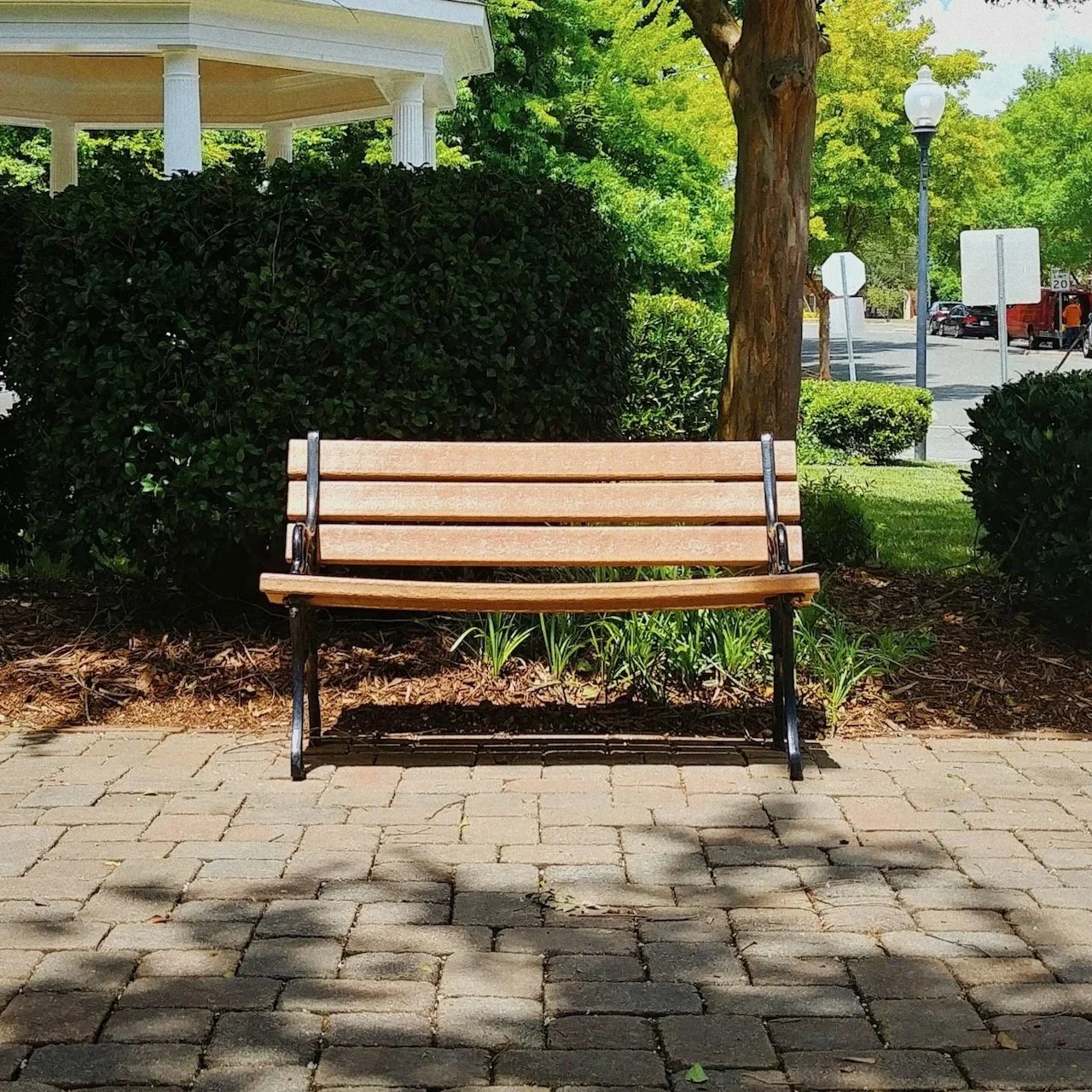
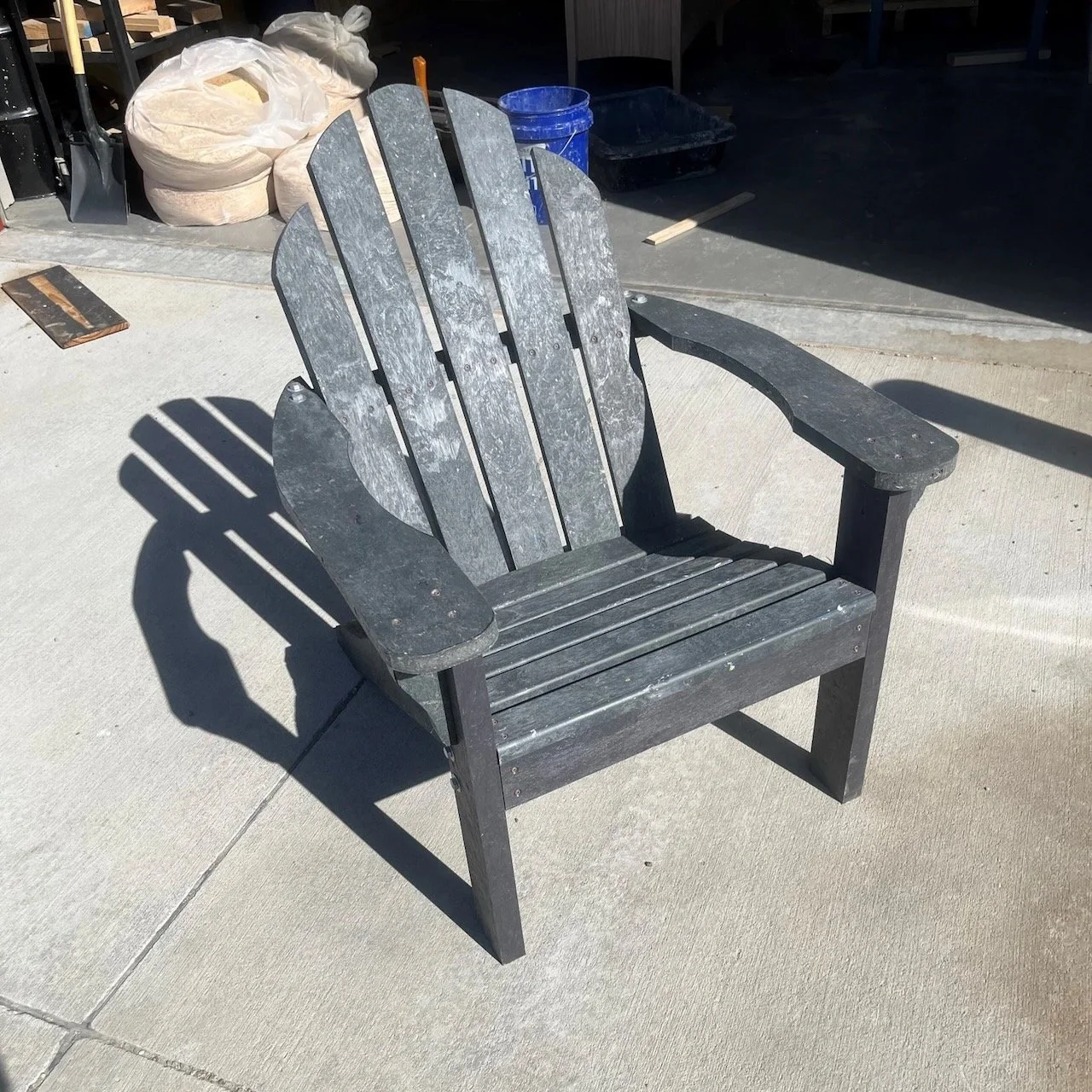
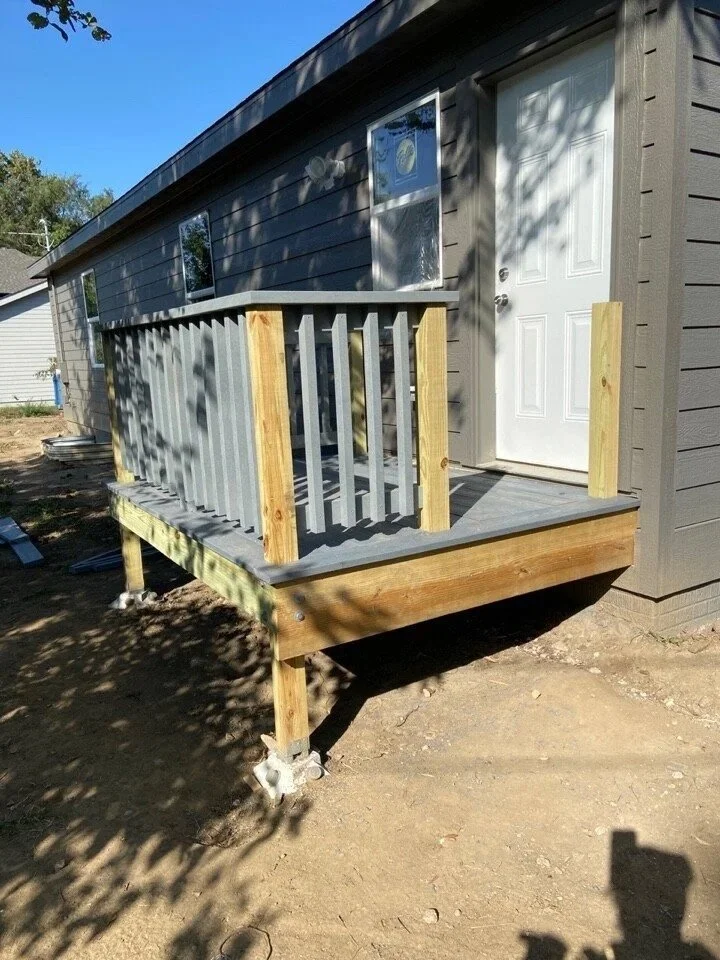


This matters for reporting. And it matters if you've had stakeholders push back on recycling programs before.
The old story (still circulating): An older version of this program — called the EnergyBag — sent material to a cement kiln in Missouri, where it was burned as fuel. That raised legitimate concerns. Some people in Omaha still think this is what happens. It's not.
What happens now: Your orange bag goes to First Star Recycling in Omaha. The bags are opened, the material is shredded and compressed on-site. Nothing leaves the state. Nothing gets burned.
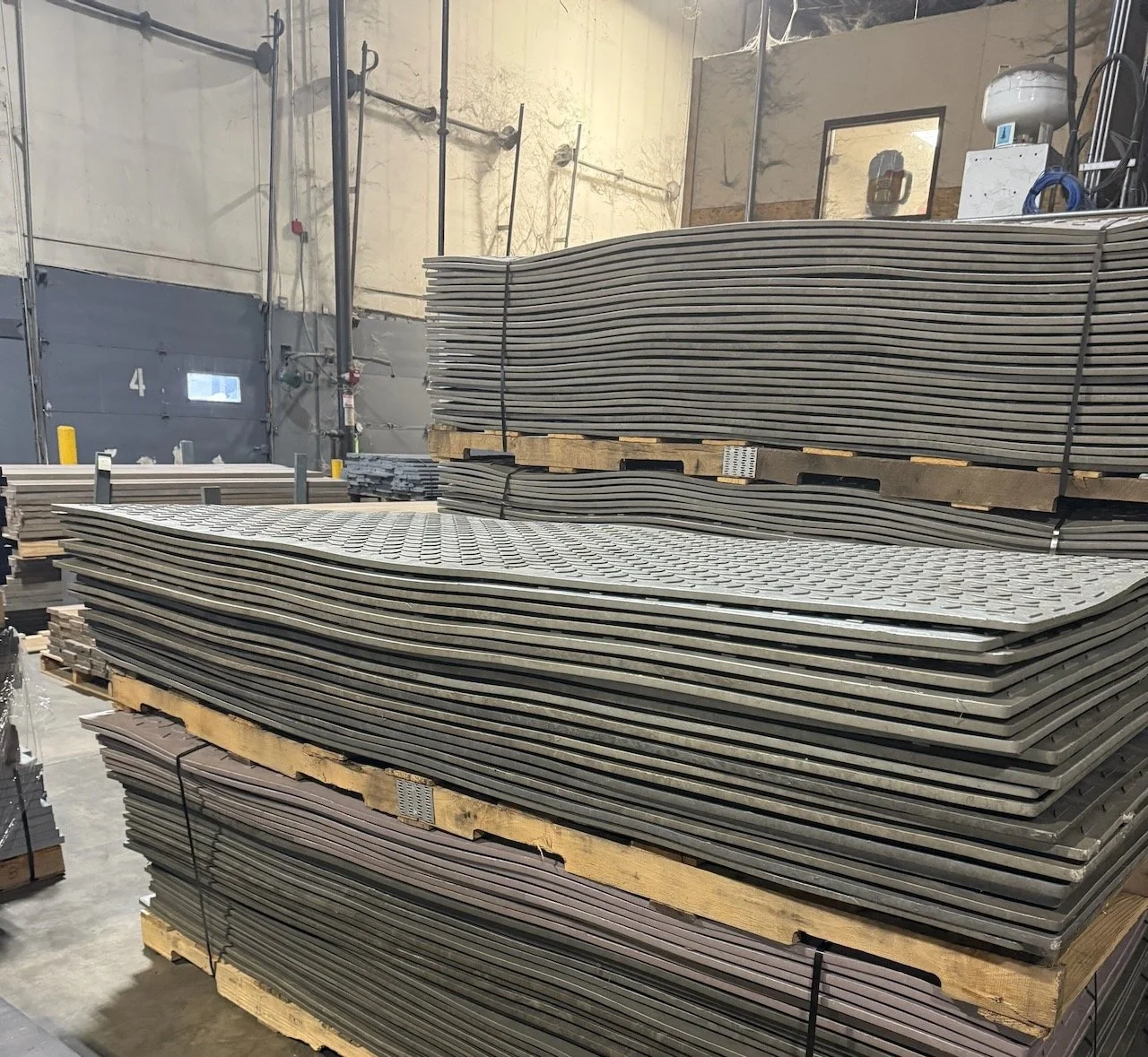
What it becomes: First Star runs a division called Solutions Plastic Lumber. They manufacture that compressed material into durable building products — right here in Omaha:
Nailer boards for synthetic turf installation
Flatbed trailer decking
Raised garden beds and landscaping materials
Ground protection mats
Construction sheeting
These products are moisture-resistant, pest-resistant, and decay-resistant. They're sold locally and regionally.
That's genuine closed-loop recycling. Material in, useful product out. All local.
Tracking and Reporting
For businesses that need to document sustainability efforts — whether for ESG reporting, tenant communications, vendor certifications, or internal goals — the volume of soft plastics diverted from landfill through this program is trackable.
If you're a Hillside customer, we can help you build that into your waste diversion reporting. That number matters when you're talking to tenants, investors, corporate partners, or certification bodies who want to see measurable impact — not just good intentions.
Frequently Asked Questions
Do we need to be a Hillside customer to participate?
Not necessarily. The program works through any hauler that routes to First Star Recycling. But if you're already a Hillside container recycling or single-stream customer, there's nothing new to set up — the orange bags go in your existing bin and we handle the routing. If you use a different hauler, call them and ask where your recyclables are delivered.
We're a Hillside customer but only have fiber/cardboard recycling. Does this apply?
Not with your current service. The orange bags need to go through the container recycling or single-stream recycling stream to reach First Star. Contact us about adding that service — it's a straightforward addition.
What size bags should we use?
For small offices or break rooms, 8-gallon bags from any retailer work. For larger operations — restaurants, retail, multi-unit properties — 30-gallon and 55-gallon bags are available through First Star Recycling. Reach out to us and we'll connect you.
Do items need to be perfectly clean?
Residue is fine. The standard is empty, clean, and dry — no remaining liquid or food. Nobody needs to scrub each item. If something is heavily soiled, landfill it.
I've heard these bags just get burned. Is that true?
Not anymore. The old EnergyBag program sent material to a cement kiln for energy recovery. That program evolved. Today, First Star processes everything on-site in Omaha into plastic lumber. Nothing is burned.
Hefty's website says foil-lined items aren't accepted. What gives?
Hefty's website covers the program across many cities. Omaha is different because First Star processes locally in a way that accepts foil-lined plastics. Chip bags, metallic wrappers, silver-lined packaging — all fine here. Aluminum foil (the metal) goes to landfill.
Can apartment buildings participate?
Yes. If the building is serviced by a hauler that routes to First Star, residents can use orange bags in shared recycling containers. Property managers looking to run it building-wide should reach out to Hillside — we can help set up the collection system, provide signage, and support tenant communications.
Does this replace our regular recycling?
No. The orange bag runs alongside your existing recycling — not instead of it. Plastics #1, #2, and #5, plus paper, cardboard, cans, all continue in your regular recycling container. The orange bag is specifically for the hard-to-recycle soft plastics those programs can't handle.
Can we track the volume for sustainability reporting?
Yes. Hillside can help you document the diversion volume and build it into your reporting. Reach out and we'll talk through what that looks like for your operation.
About Hillside Solutions
Hillside Solutions is Omaha's eco-friendly waste, recycling, and compost hauler. We work with businesses and property managers across the metro to build smarter waste programs — from trash and recycling to composting, glass, and specialty streams like this one.
Want to Talk Through Your Full Waste Stream?
The orange bag is one piece of it. Hillside works with businesses and property managers across Omaha on recycling, composting, and waste audits — figuring out what's going where and how to do better.
No hard pitch. Just a conversation about what you're currently paying to landfill and what could go somewhere better.
Talk to someone on our team → Contact us